
Field Note 02 | A Pot of Kawakawa Tea

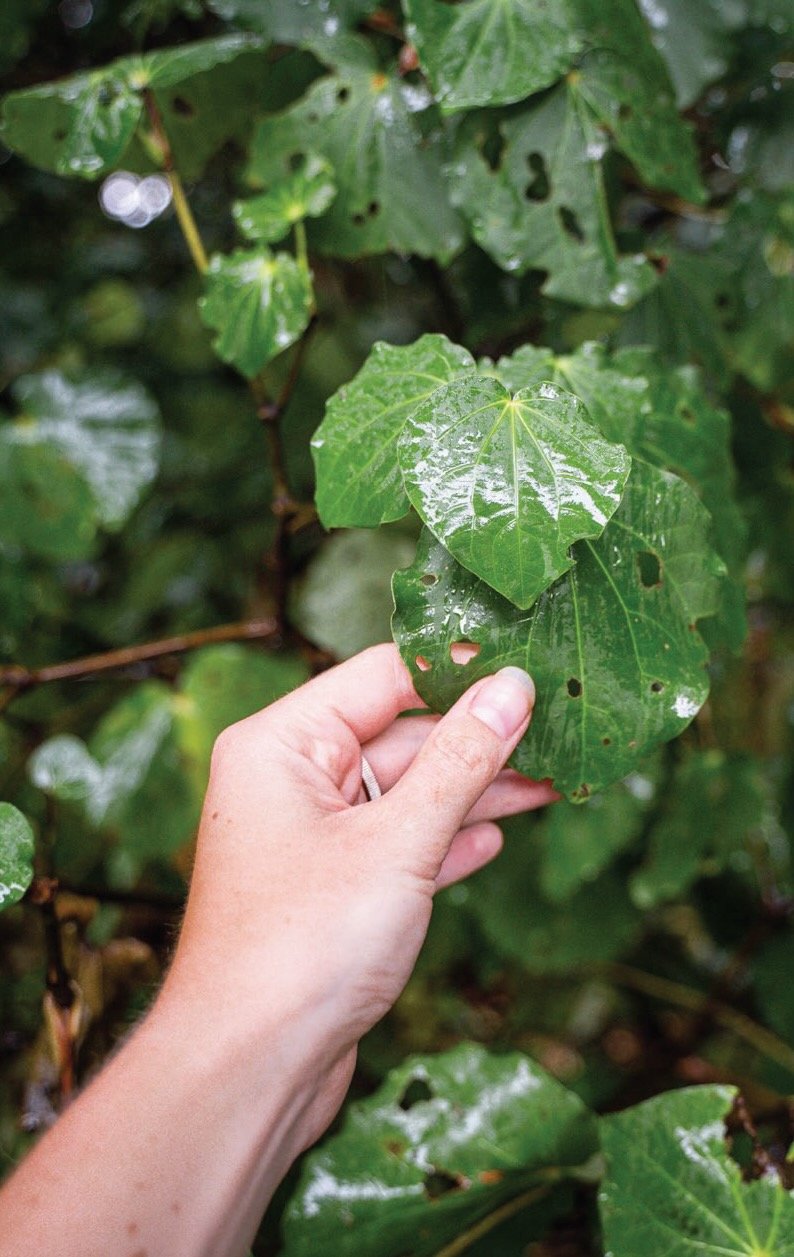
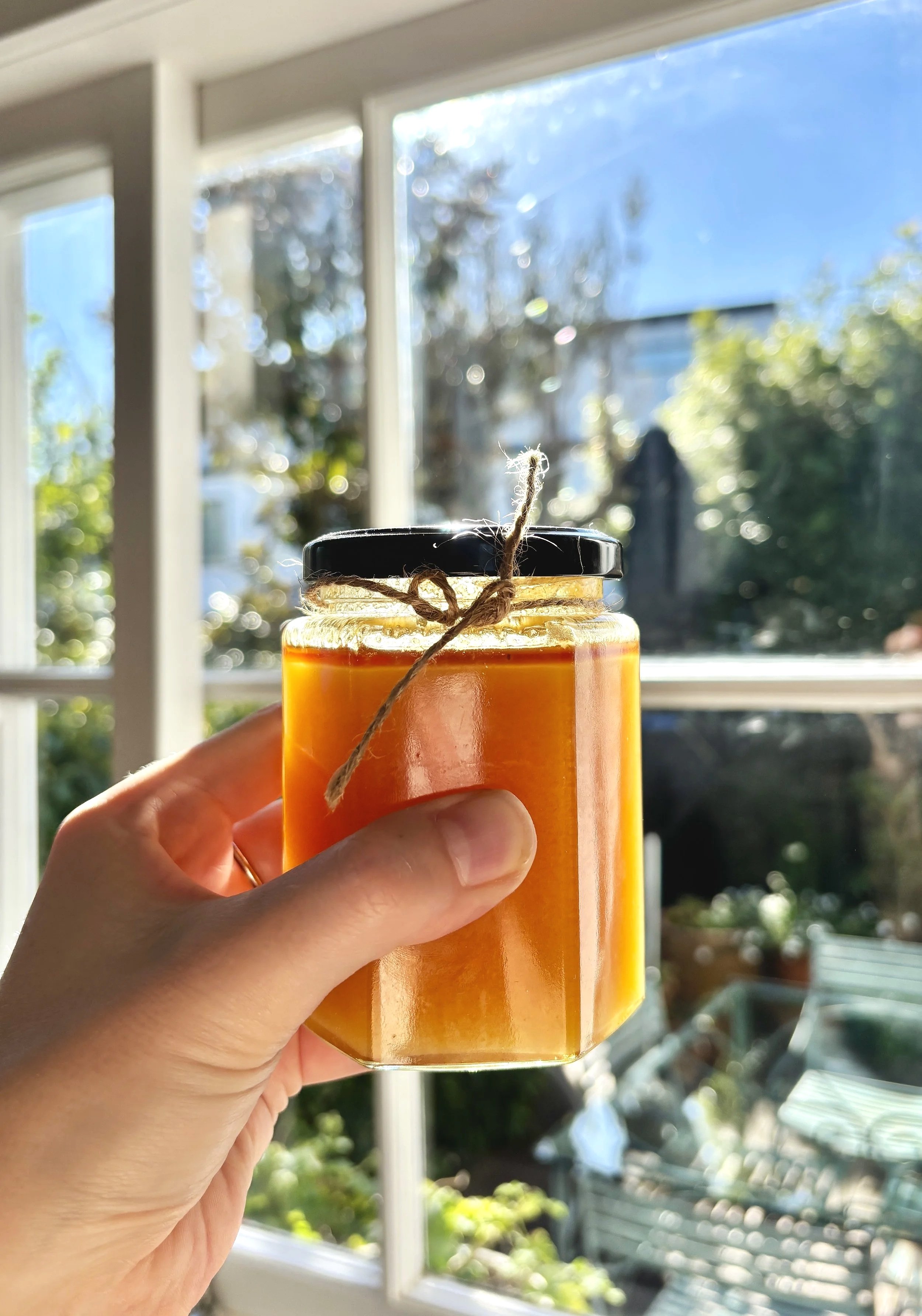
I have a fascination with foraged foods: in particular, those edible indigenous species among the myriad greens of our native forests. This interest has grown incrementally, through a lifelong layering of experiences. My introduction to using indigenous plants productively was, like most children in Aotearoa, harakeke weaving taught during Te Wiki o Te Reo Māori at primary school. Aside from the eminently successful mānuka honey, it was more than a decade before I came across another memorable example. It arrived in the form of a pot of fresh kawakawa tea, ordered by a friend at a café in central Auckland. My curiosity was piqued by the ribbons of bright green kawakawa leaf which floated alongside thin slices of ginger, producing a cloudy infusion with a gloriously fresh aroma. I resolved to order it next time I visited, and I fell so in love that whenever I go there I order nothing else. However, each time I drink it I’m struck by the same thought: why pay good money for something I could collect – free – from the local park? I soon realised this was in fact a question of knowledge – had I not experienced this tea made by someone else, I would not have known it was possible to make it at all.
What was at first an intriguing culinary choice became part of a wider pattern of awakening. I began to see indigenous ingredients used more and more frequently: a horopito focaccia at the local bakery, a kūmarahou handwash in a restaurant bathroom, an entire luxury line of cosmetics made from indigenous botanicals in a downtown boutique. I now see this collective popularity-raising of traditional ingredients as part of a wider renaissance in indigenous knowledge. With demand, supply must follow – I wondered if this could signal the arrival of a fledgling new industry?
Auckland, first written in 2023 for Common Ground