
Field Note 04 | On Land That Cannot Be Given Back
Aotearoa’s conservation land is defined by what has not happened to it. This sounds simple, obvious even. Its implications are anything but. Absence is difficult to see. We are conditioned to recognise value in what can be measured, counted, or extracted, so we search for metrics: biodiversity scores, visitor numbers, contributions to GDP. Yet these measures capture only fragments of a much larger whole. They struggle to account for the interwoven nature of environment, society, culture, and economics.
Conservation land is the accumulated result of restraint on all fronts — roads not cut, catchments not drained, hillsides not grazed to the root line, buildings not built. That restraint is not a failure to act. It is the act. Conservation land exists because successive generations chose not to pursue certain opportunities, and in doing so preserved possibilities that would otherwise have been lost. That choice is not replicable once abandoned.
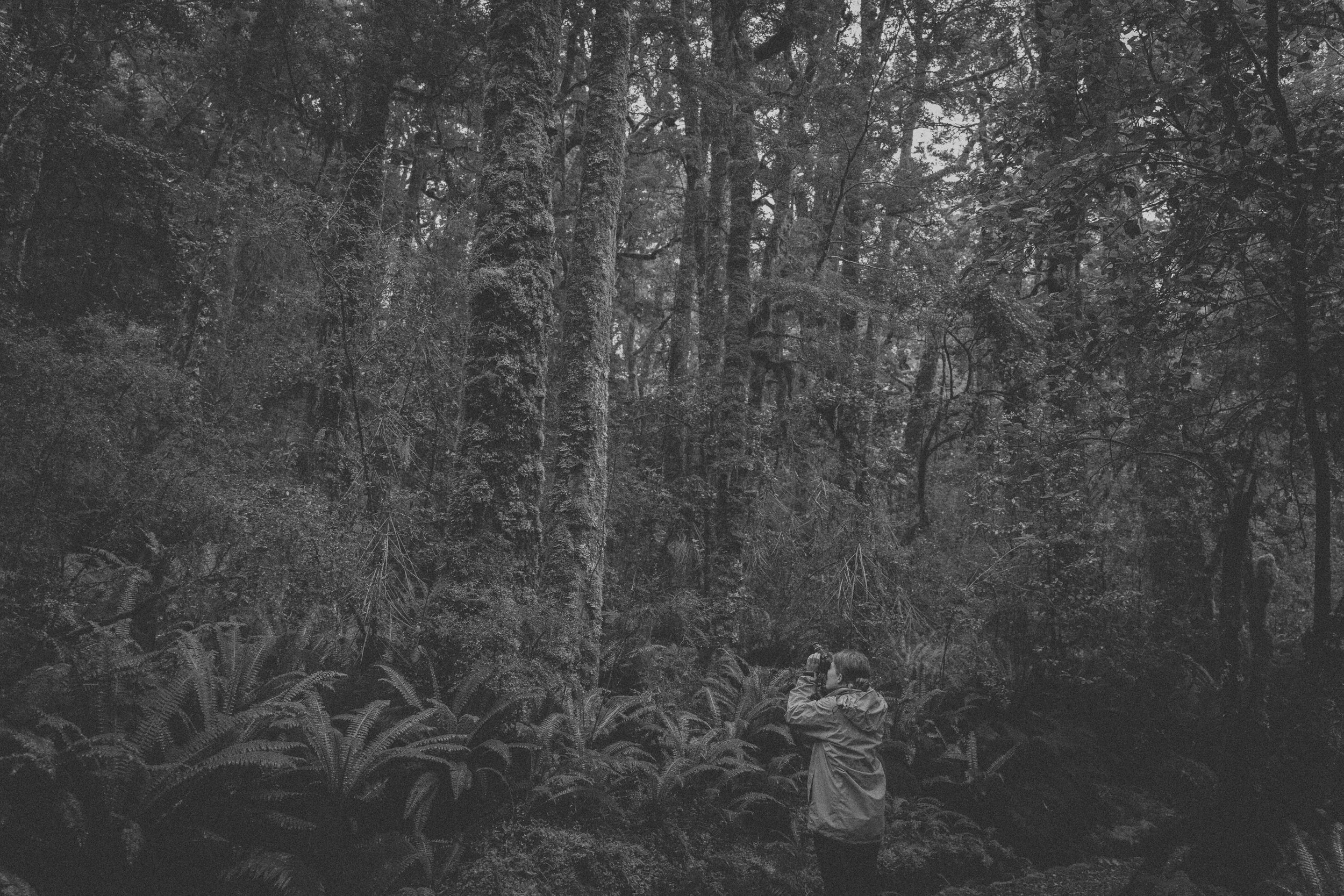
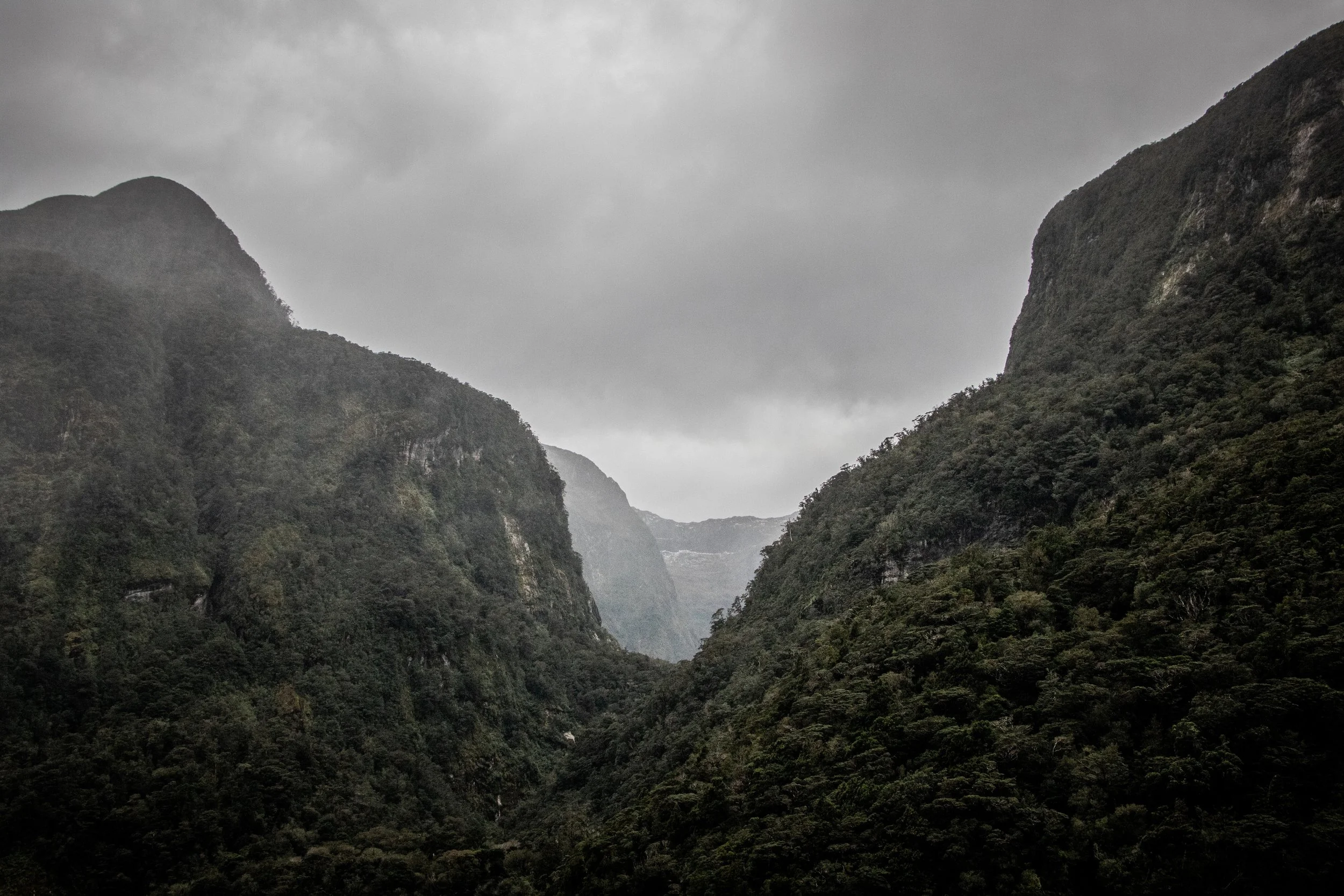
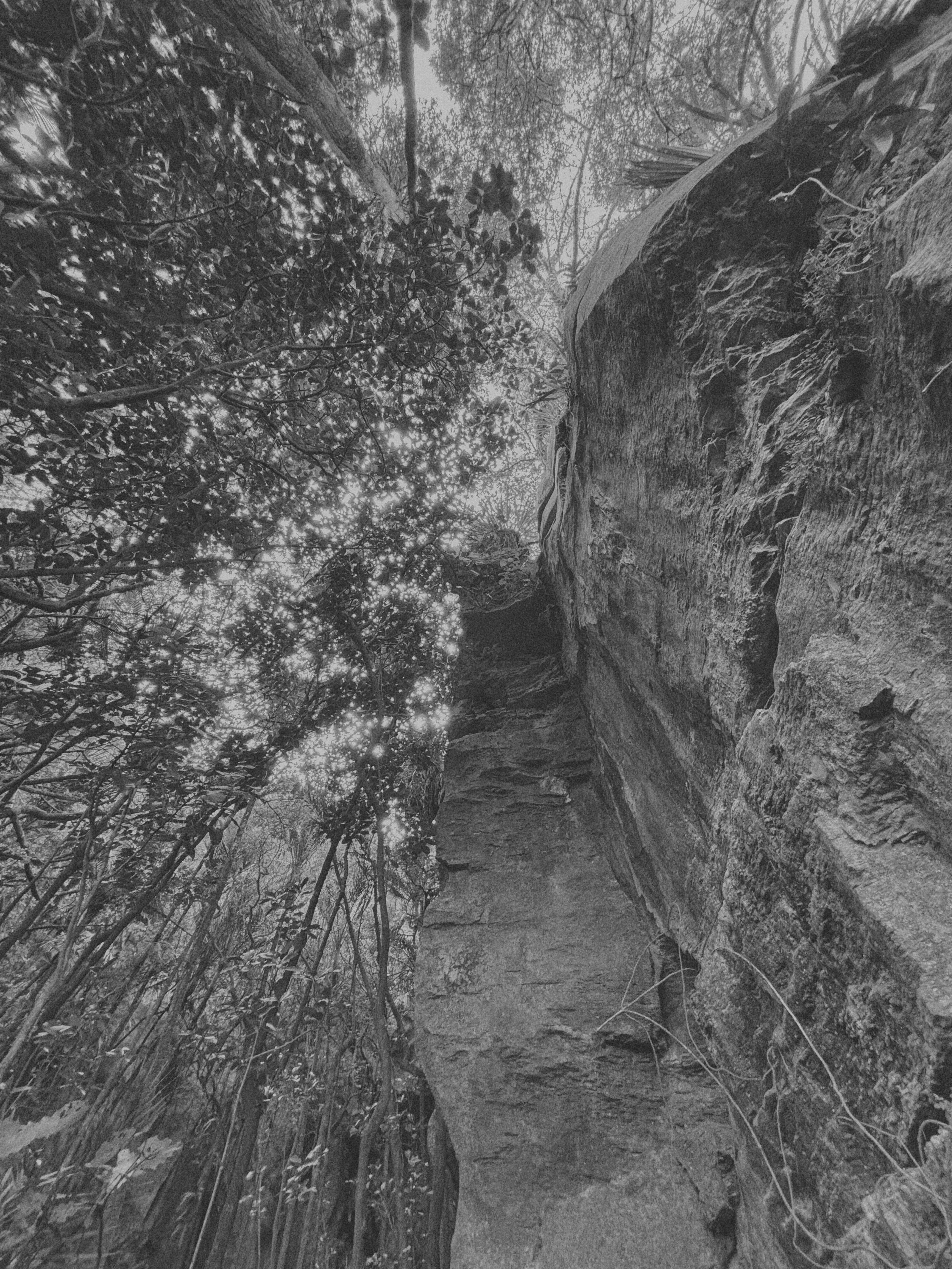
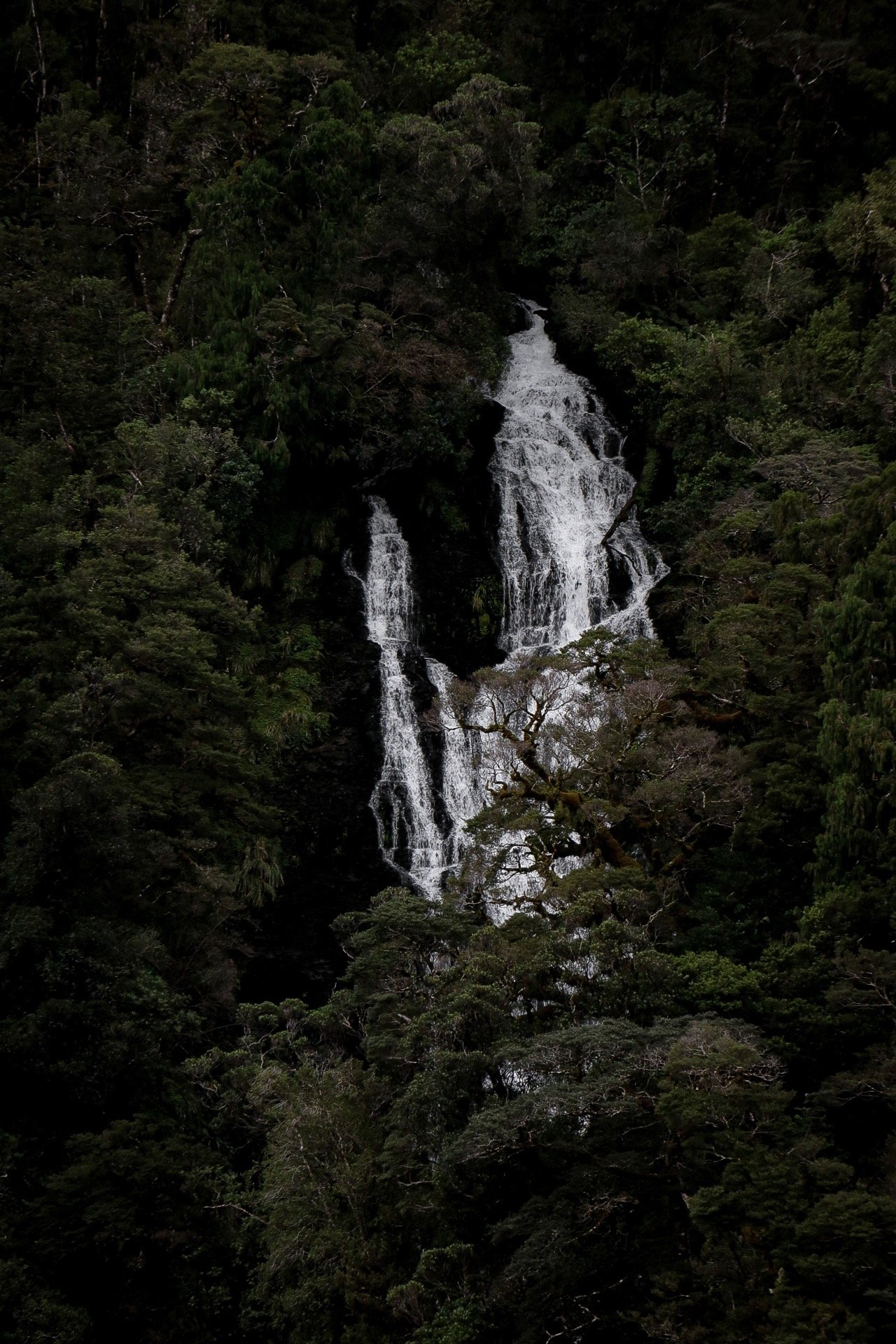
We have known this for a long time in Aotearoa, and yet we have repeatedly chosen to forget it. In 1960, the scientist and conservationist John Salmon published Heritage destroyed: the crisis in scenery preservation in New Zealand, a critique on the systematic dismantling of the country's natural landscape in the name of industrial progress. Salmon watched the Aratiatia Rapids — a site of extraordinary beauty and ecological significance — converted into a power station, and wrote that such schemes were “extinguishing all those things which my father's generation of New Zealanders regarded as our natural heritage”. The book helped spark the movement that eventually saved Lake Manapōuri. It should not have been necessary then, and it is unconscionable that its argument is necessary again now, sixty-five years later, with a Bill before Parliament that makes Salmon's worst fears look prophetic.
The Conservation Amendment Bill, introduced by Minister Tama Potaka on 7 May 2026, is the most significant reform of conservation legislation in nearly forty years. Its stated ambitions are reasonable: better visitor infrastructure, faster decisions, more funding for conservation through commercial activity on the estate. The conservation system has real problems. The Act is old, and could be better. None of that is in dispute.
What is in dispute is this: buried in amendments to Section 6 of the Conservation Act — the ‘purpose’ piece from which every decision flows — is a new requirement for DOC to recognise economic opportunities arising from the use and development of public conservation land, and to enable this use and development to the greatest extent practicable. Documents released since the Bill's introduction reveal this amendment was directed by Cabinet in June 2025, after public consultation had already closed. It was not consulted on. It was not announced. It arrived quietly, tucked inside a Bill framed as modernisation.
This is not modernisation. It is a reorientation of what conservation land is for. For nearly forty years, the Conservation Act has held a clear position: conservation values are primary; tourism and recreation are permitted when not inconsistent with that purpose. The new wording installs economic development alongside conservation, as an equal in the hierarchy, hardwired into every planning document and every decision DOC makes. To enable development to the greatest extent practicable is not a side clause. It becomes the gravitational centre of the system. Conservation Boards, previously decision-makers, are reduced to advisory commenters. The public right to be heard on land disposals is removed. Visitor amenity areas (whose scale and scope is undefined within the Bill, and therefore could be anything) can be established inside conservation parks and national parks without public hearing. Approximately 60% of public conservation land becomes eligible for disposal or exchange, including Conservation and Forest Parks, without the previous requirement that eligible land hold no or very low conservation value.
In te ao Māori there is a name for what this bill risks destroying. Mauri. The life force present in all things, relational and irreducible, present in the soil and the water and the particular arrangement of trees across a hill. Mauri is not a feature that can be paused and reinstalled after development. It is not restored by replanting native species on a disturbed site, because you cannot replant the relationships those species had with everything else across hundreds of years. Restoration is not continuity. Ecological literature supports this, but Māori have held it as foundational knowledge far longer than Western science has had the instruments to confirm it. To equate this — any of this — primarily with economic opportunity is not pragmatism. It is a failure of understanding so profound it reads as wilful.
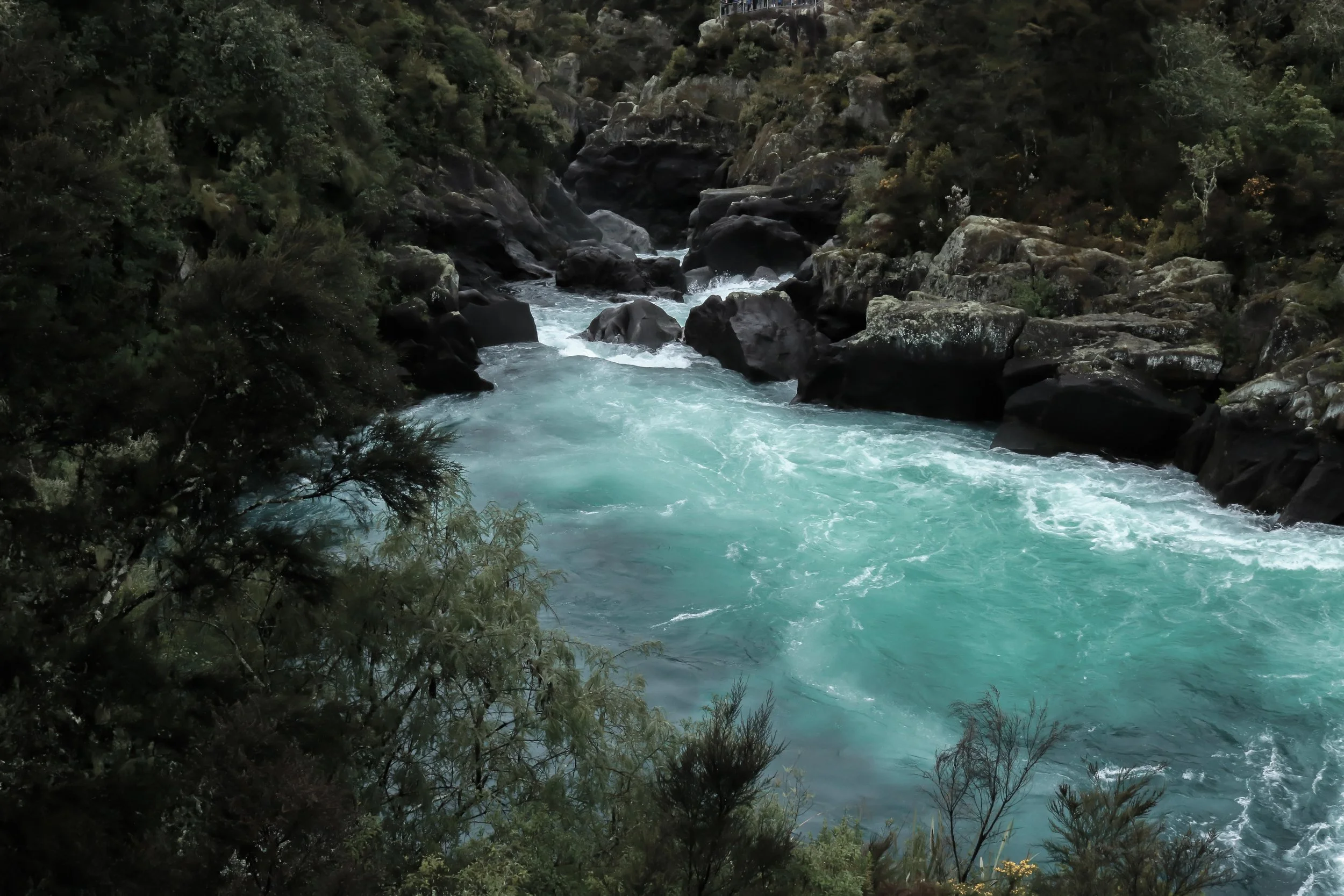
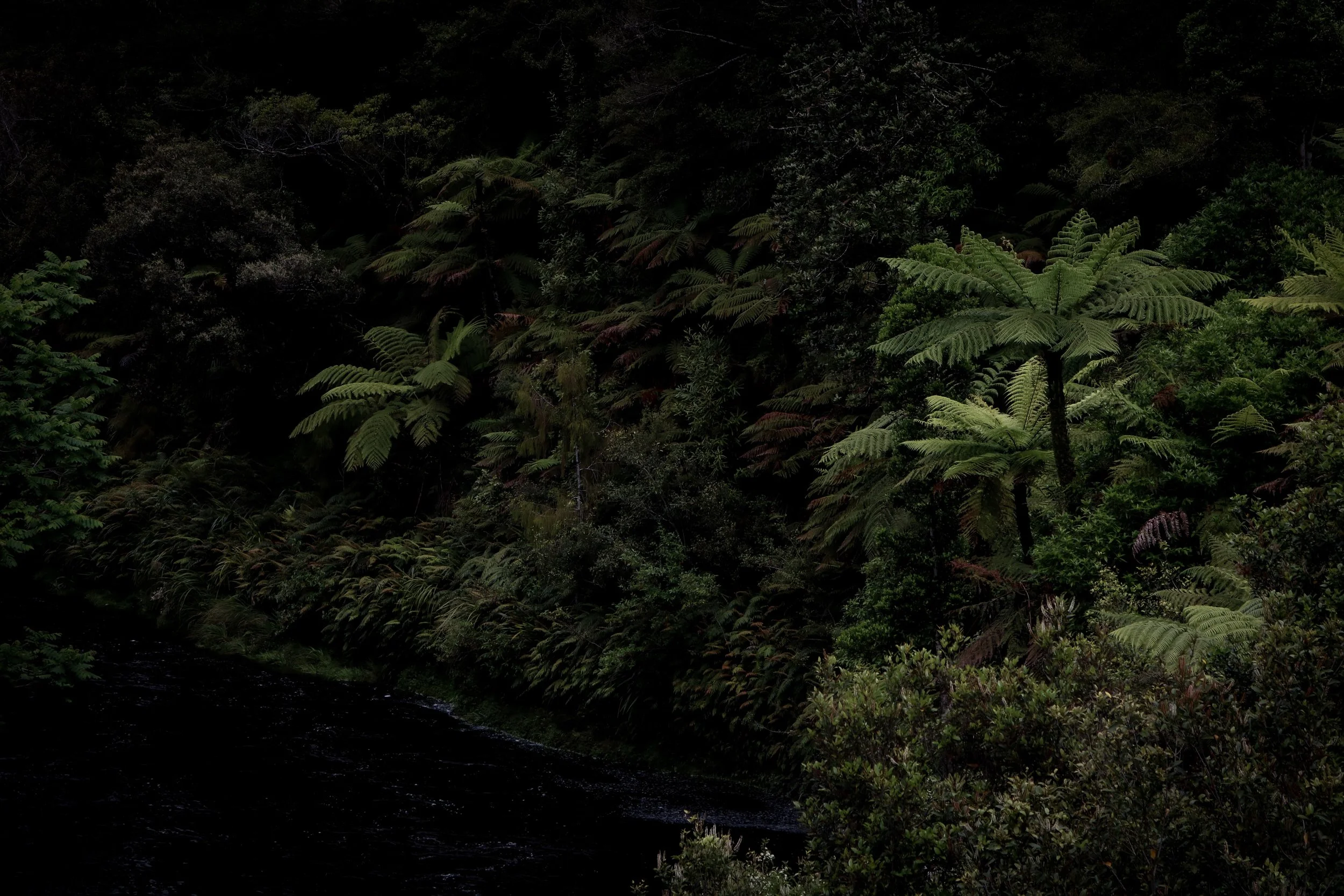
On the economic development portion of the Bill, I am not arguing against visitor infrastructure. I am arguing about where it goes, and to what extent it is reasonable. A carpark does not need to be inside a national park; it needs to be near a trailhead. A hut does not need to be supersized because a track is in high demand during summer. The hierarchy of environmental management — avoid, minimise, mitigate — demands that a simple question be asked at the outset: does this development need to be here, or could its outcome be reached from modified land nearby? Under this Bill, that question risks becoming the last one asked rather than the first.
As for the disposal or exchange portion of the Bill, I am arguing against its very existence. The Government's case rests on a reassuring premise: that the land eligible for disposal is low-quality stewardship land, the unassessed residue of the estate, of little ecological significance. But this argument misunderstands what so-called low-value land actually does. Ecological value is not a property of individual parcels in isolation — it is relational. The unglamorous margins, the neglected remnant blocks, the scrubby connective tissue between protected areas: these are functionally critical parts of a landscape precisely because they sit between things. They are corridors. They hold the network together. To dismiss them as bits and bobs — to use the Minister's own characterisation — is to misread the landscape as a collection of discrete assets rather than a system. If anything, modernisation of the Act should move to increase protections for this land, and to develop its ecological credentials to the point of usefulness, not to streamline the path to its disposal. The estate is not a portfolio to be rationalised. It is a commons to be kept and strengthened.
Conservation land is held in trust. Future New Zealanders will inherit the estate we maintain — or the diminished version we trade away, incrementally, for infrastructure that could have been built somewhere else. Salmon understood this. He watched the Aratiatia Rapids disappear and wrote down what it cost. New Zealanders read his book and built a movement and passed an Act that held for thirty-eight years. It is not a minor thing to undo that, and it should not be done quietly, after consultation has closed, without a mandate from the people whose inheritance it is.
Submissions on the Conservation Amendment Bill close 11:59pm, 2 July 2026. Submit via the Parliament website, or write directly to your local MP and to Hon. Tama Potaka, Minister for Conservation.