
Field Note 05 | Why Fieldwork? Why Now?
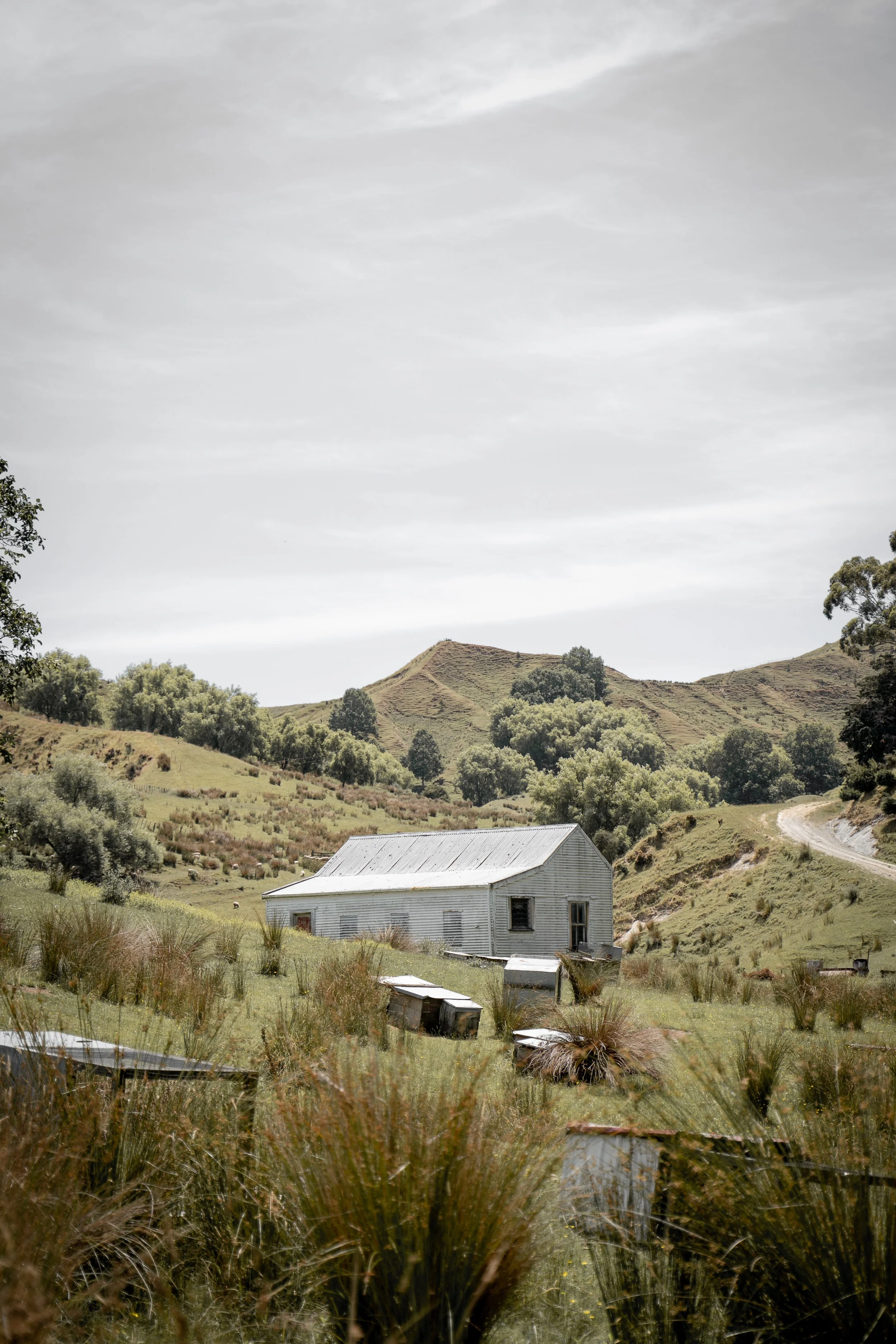
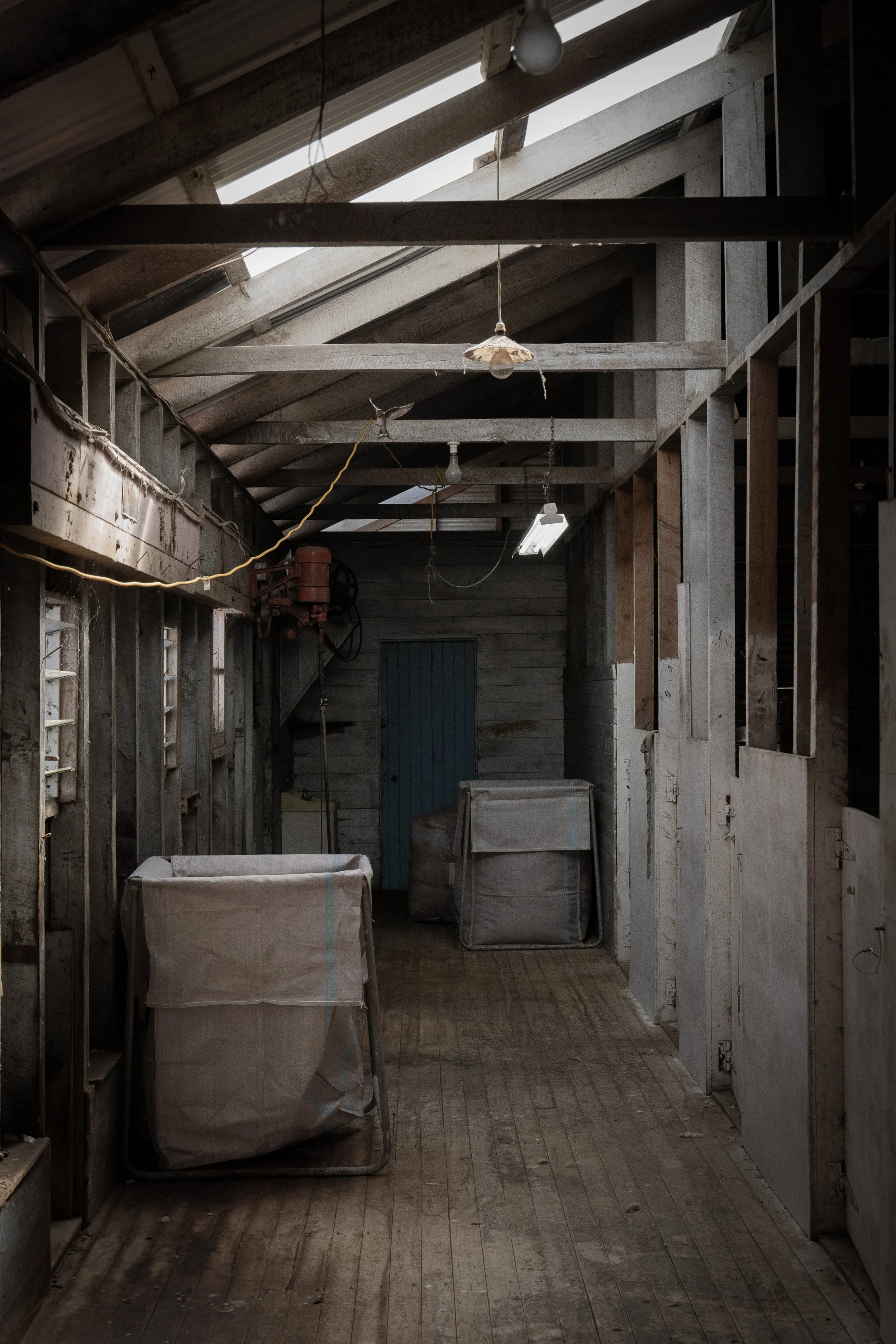
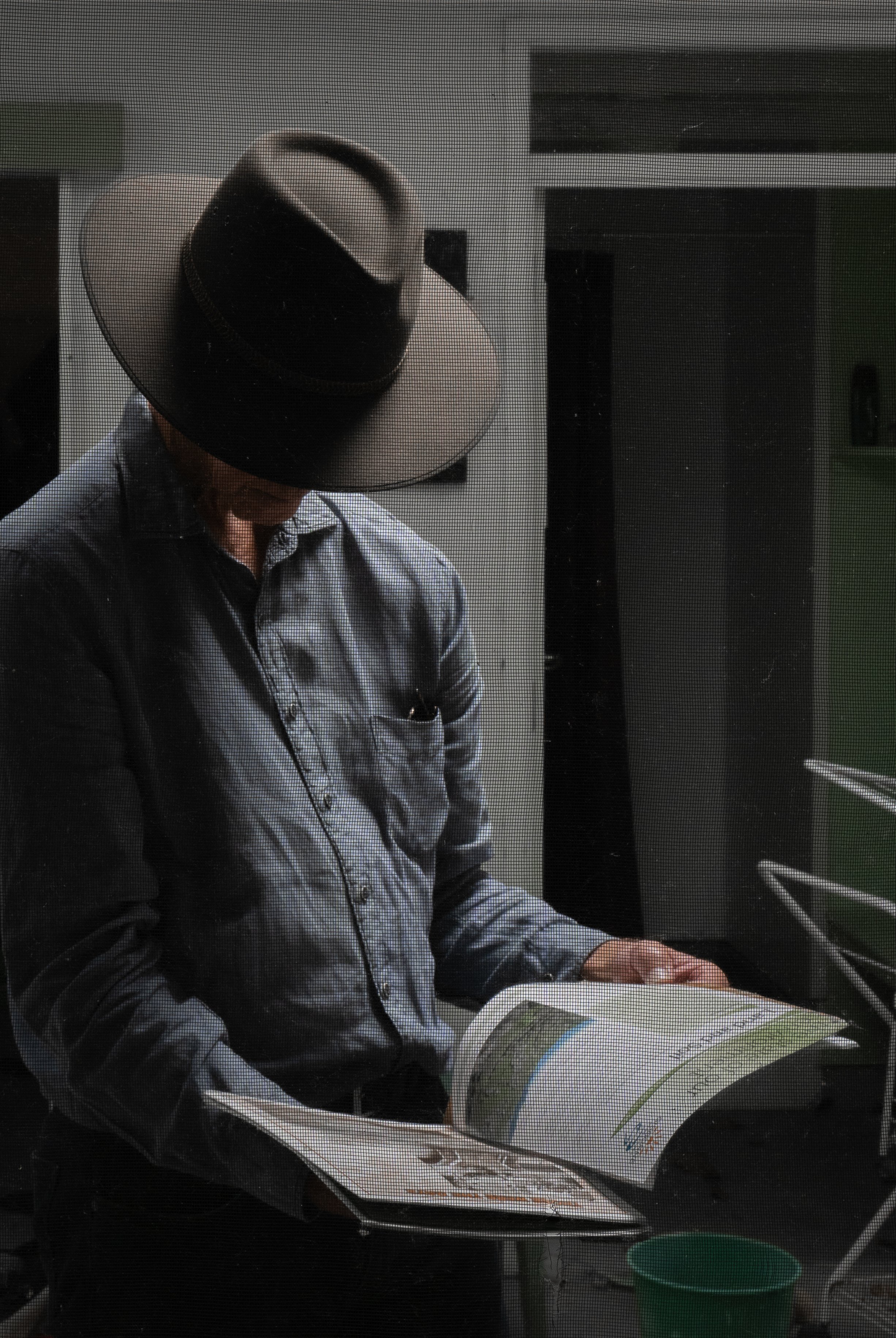
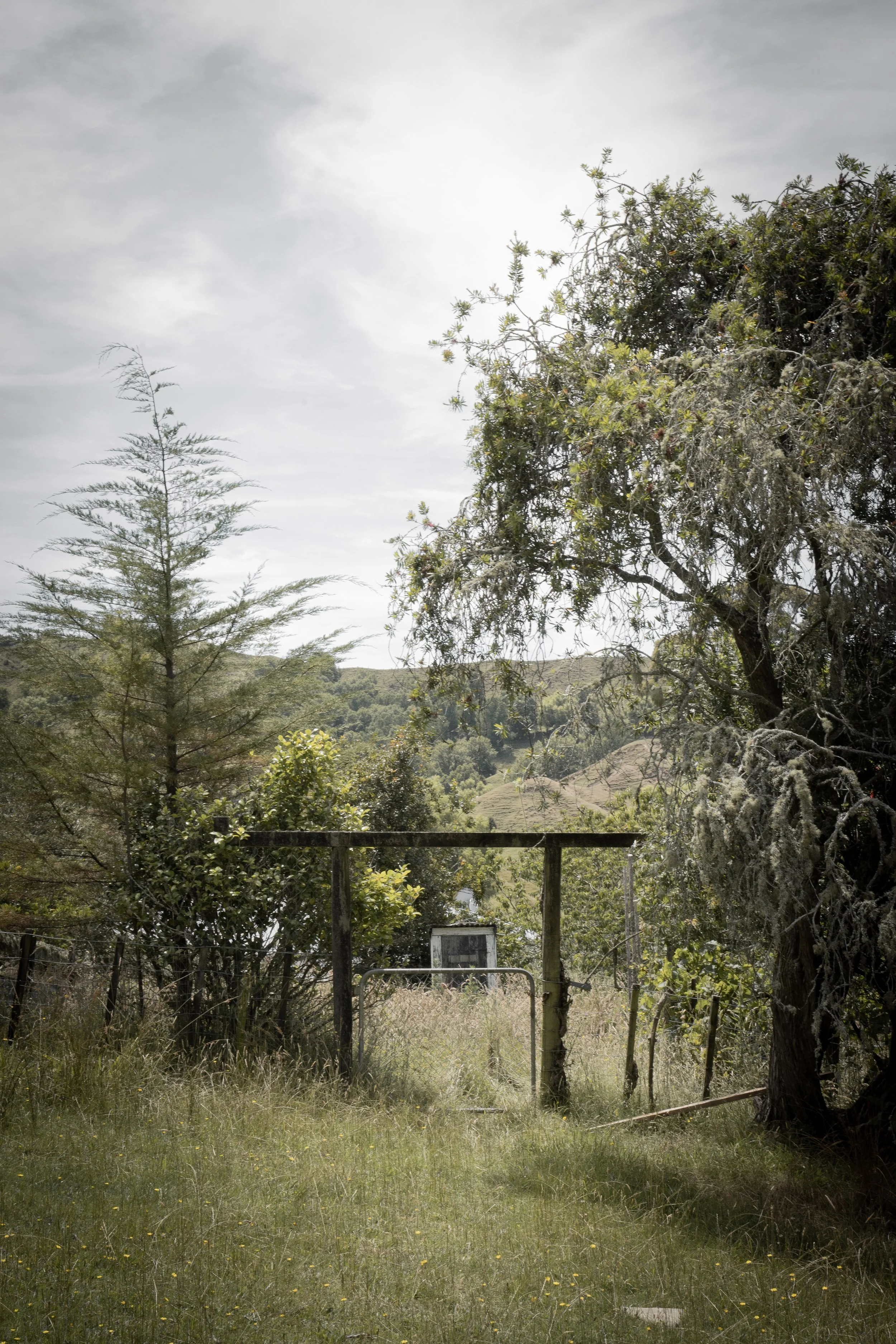
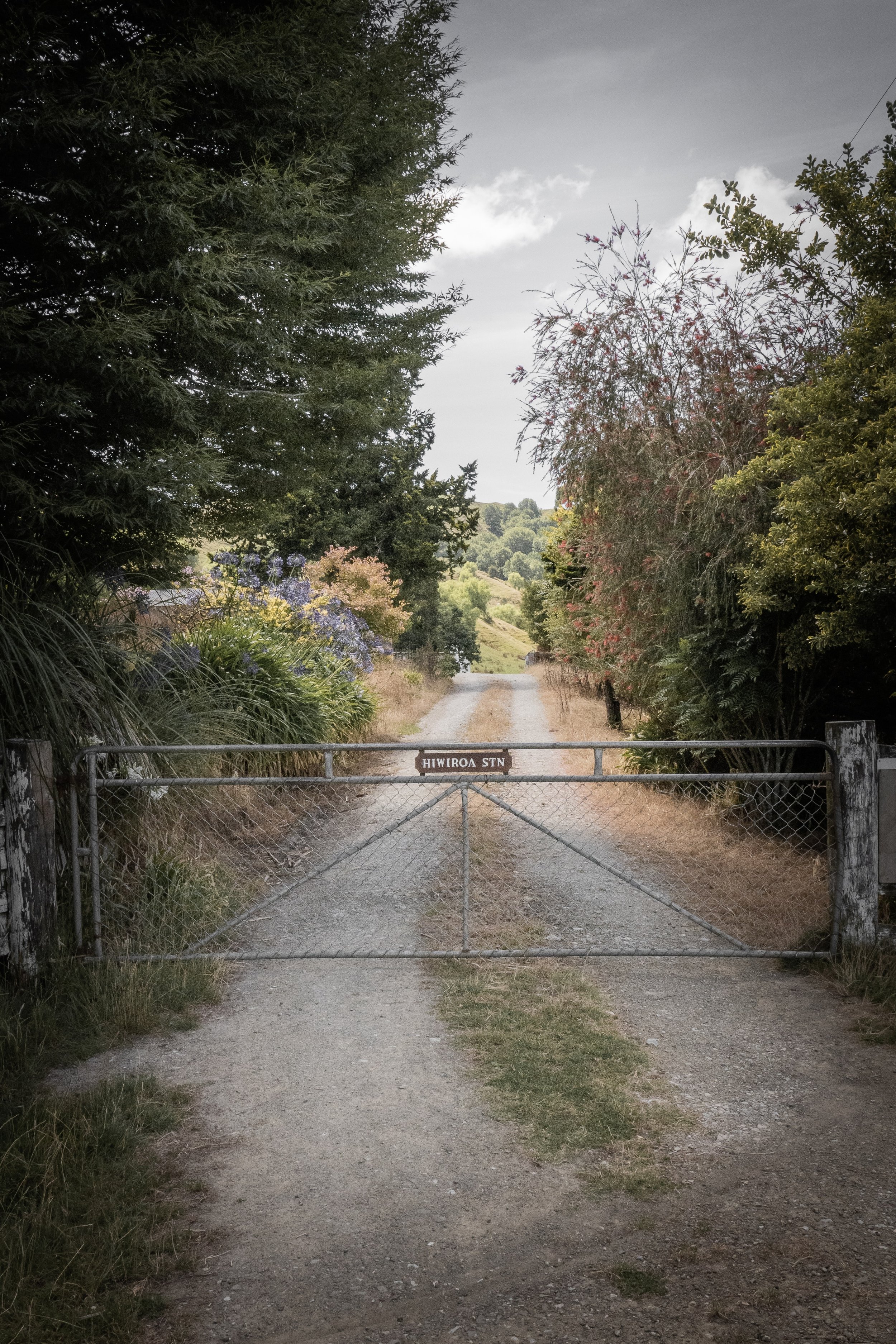
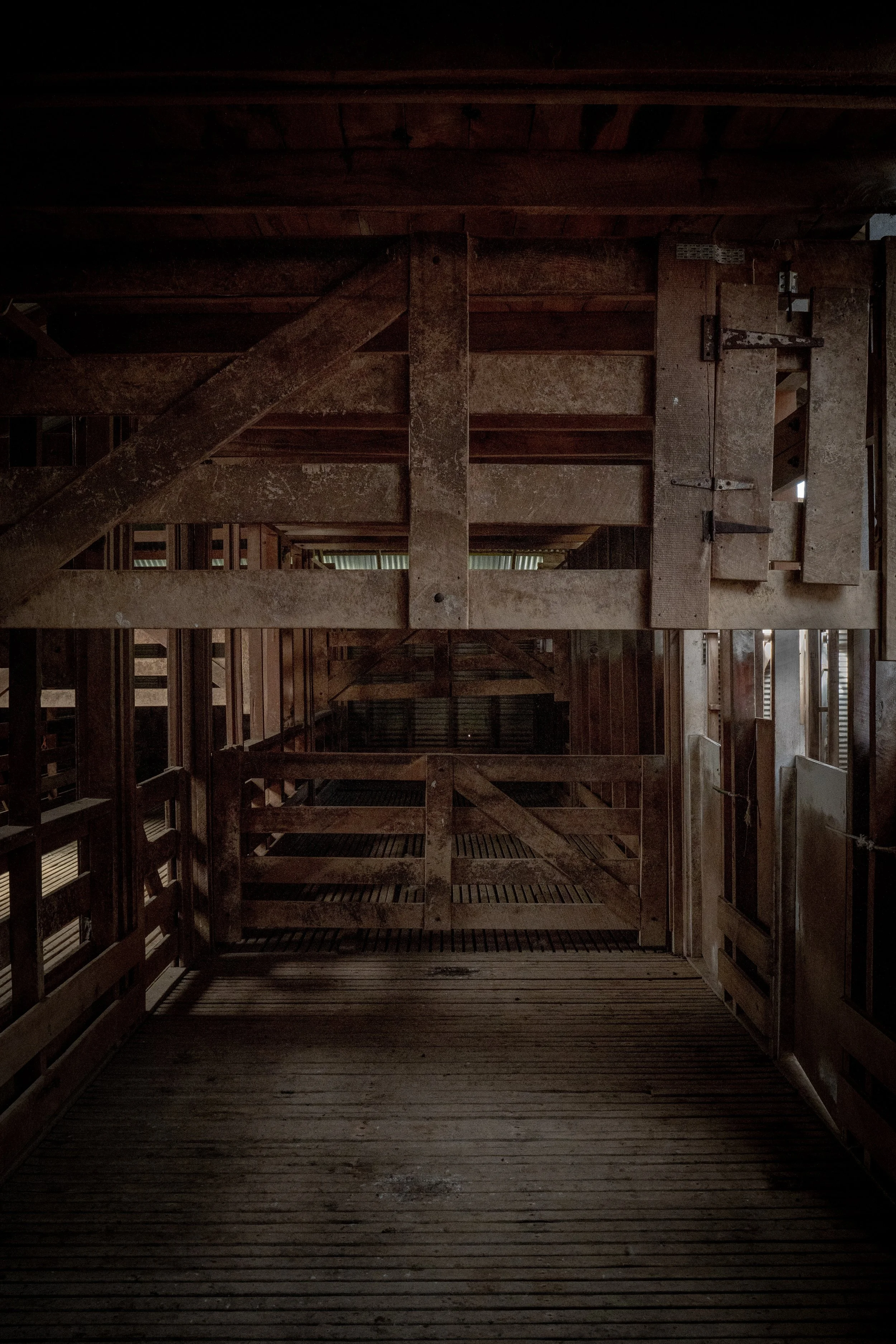
I did a summer research project in my third year of architectural studies at the University of Auckland. It was about rural landscapes and vernacular architecture, and I based it at Hiwiroa – our family’s farm in Tairāwhiti Gisborne. I photographed and drew and wrote for a month, and found myself becoming obsessed with the place: its soil, its trees, its watercourses, its buildings, the people there now and those who had been there before. The way they had shaped the place. The way the place had shaped them. The way, over time, they had become of each other.
Two years later, I began my thesis. I made a project for Hiwiroa, because it was the greatest way I knew of contributing to that special place, woven through my DNA. This is how I began...
For me at least, walking on the land feels different when you have a connection to it, and by connecting with one piece of land on that deeper level, connection is strengthened with the land everywhere. That particular feeling of belonging – tūrangawaewae, even – has led to a feeling of protectiveness, but as I’ve never lived at Hiwiroa nor been invested directly in its success, it’s not spurred by a necessity to safeguard income or resource. I can only describe it as something spiritual, as if the land itself is a family member. This thesis is the best way I know how to contribute to its protection: it is an act of kaitiakitanga, and it is a love letter to the land and its people. By shining a light on Hiwiroa’s potential, I hope to make the point that in this most common ground, so often labelled ‘marginal land’, lies something extraordinary: hope for the future.
As I prepare to move to Italy, to study sustainable architecture and landscape design, I have found myself checking back in on these words. They seem more impactful than ever, and I sense that they have been following me since I wrote them three years ago.
The idea that ‘strengthening connection with one piece of land strengthens connection with all’ is appealing as I prepare to leave this land for now. It also rings true: since completing the thesis, every landscape I've encountered has felt more immediate, and my time spent on it more attentive and meaningful than before.
A wise group of people often tell me that beauty is a manifestation of care. To display a place’s beauty through pictures, to reveal it through words, or to shape it through design, is to care for the people and the land together. It is an act of guardianship. In a world where the separation between people and landscape is so widely felt, being a connector between them feels like a critical and urgent role.
Fieldwork is an attempt to inhabit that role. If my thesis was a love letter to Hiwiroa, Fieldwork is a love letter to all land, wherever it is found.
Auckland, 2026